When Should You Replace Silicone Sealant in Your Shower?
Silicone sealant may seem insignificant when it comes to your bathroom, but it actually serves an important function of ensuring that water stays in its place. This means that it seals off the various joints in your shower so that water cannot seep through and damage the surfaces surrounding the shower area. Unfortunately, silicone is not permanent and can wear away over an extended period as a result of continued water exposure and abrasion caused by washing supplies, among other things.
Knowing when to get a replacement shower silicon Melbourne people can turn to will help avoid the minor sealing issues becoming serious expensive repairs in the future. If the silicone in your shower appears to be old or you keep having problems with mould, this may be an indication of the necessity to get a professional silicone replacement done by Grout Works.
How Often Should Shower Silicone Be Replaced?
There is no universal schedule for silicone replacement as it cannot be said to have a certain lifespan. The lifespan of silicone is determined by several factors including how it has been applied, cleanliness, ventilation, and usage.
In places with frequently used showers, the silicone seal can degrade faster due to continuous exposure to water. However, it may stay intact in other situations. Thus, besides just checking the age of the silicone seal you can examine it for any visible signs of deterioration.
If you see cracks, gaps, mould or discoloration, it is time for shower inspection, as periodic replacement of silicone seal will allow you to maintain the integrity of the joints preventing water ingress.
6 Signs Your Shower Silicone Needs Replacing
1. Persistent Mould Growth
Mouldy silicone seals are a frequent problem with shower connection joints. Black or dark spots often appear due to wet conditions caused by lack of ventilation.
Even if cleaned, surface mold may persist causing issues. The best resolution is to remove old silicone material and apply fresh silicone seal.
2. Damaged Sealant
Silicone retains its flexibility allowing the seal to work properly even when surfaces experience slight movement. Over time, silicone can lose its ability to stretch easily and begin to split or peel away from tiles, shower screens, etc.
It is important to not overlook damaged sealant. Even small cracks in the silicone allow for water penetration possibly causing problems behind the tiles.
3. Intervals Between Silicone and Tiles
Assess the corners and edges of your shower attentively. If there is a failure in the silicone seal from the tiles, screen, or shower pan, the sealing is ineffective and needs to be replaced.
Simply putting some more silicone on top of the previous layer is not going to be the best solution to the problem, as it cannot bring long-term benefits since the previous layer has already failed. What you need to do is to remove the old sealant, prepare the surface, and put a new silicone seal in place.
4. Continuing Water Leaks
If you can see water leaking from your shower or wet spots appear on the edges, the leak may be due to failed silicone, but there can be some other problems related to failed grouting, plumbing issues, or waterproofing flaws. If you need to fix leaking shower issues, identifying the actual source of the leak is essential before deciding on the right repair.
To understand what causes the problem, you need to have your shower inspected by a professional appraiser. Applying the new silicone might solve the problems with failed surface sealing, but it is also necessary to repair all waterproofing or plumbing problems that caused the leak in the first place.
5. Silicone in Bad Condition
Even without visible problems, old silicone can turn yellow, discolor, stiffen, and become fragile. These changes can give your shower an unkempt look and show that the sealant is near the end of its lifespan.
Wet and dry washroom silicone replacement services can change the appearance of your shower and restore the seal at the relevant joints.
6. The Last Repairs Were Useless
If you have been repairing the same spots for some time, and the silicone continues to pull out or form gaps, the problem might lie in poor preparation of the surface or damaged silicone.
By completely removing the old material and preparing the joint properly, it will be possible to obtain more reliable results than by constantly making fixes.
Can You Replace Shower Silicone Yourself?
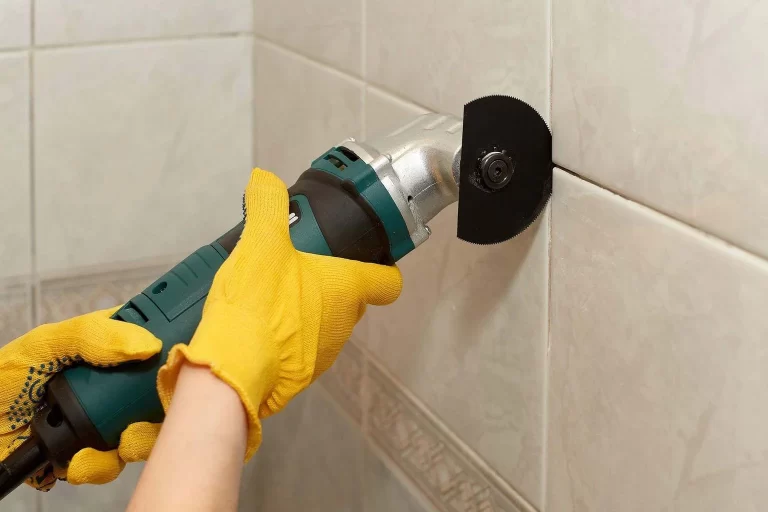
Although silicone repair jobs often seem like they would be a simple task, in truth, getting a great look and long-lasting results requires careful preparation. First off, remove the old silicone sealant carefully and be sure that you don’t damage any of the surrounding areas in the process. Also, check for any adhesives, water and impurities to clear them properly.
Then you will need to apply the new silicone sealant properly without using the shower until the silicone is dried.
For property owners dealing with wide scale mould, regular leaks or deteriorated seals on several joints, getting help from professional tile shower silicone replacement service in Melbourne may be the best choice to ensure that the job is done right. It is also an opportunity to notice and correct any damages done on the grout as well. If the grout is also deteriorating, shower regrouting Melbourne services may help restore the tiled surfaces alongside silicone replacement.
Silicone Replacement vs. Complete Shower Resealing
Although closely connected, silicone replacement and shower resealing differ from each other in terms of the tasks that need to be accomplished.
Areas that need silicone replacement will be cleaned of the worn-out silicone sealant, and new silicone will be put on the affected joints. This process is ideal when the grout and surrounding tiled areas are still in decent condition.
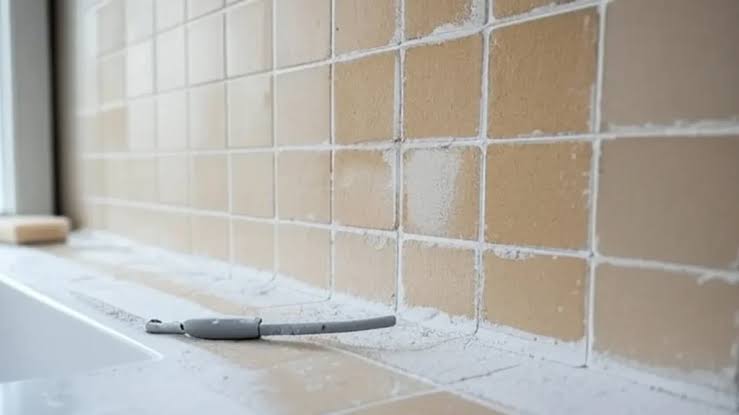
In contrast, shower resealing in Melbourne may require a thorough checking of the seals and grout in the entire shower area. If there is a problem with the grout (i.e. it is cracked, crumbling, and/or affected by mould), regrouting should be performed. Grout Works provides high-quality shower and tile restoration services including silicone replacement service, regrouting, and repairs caused by leaks. Depending on the condition of the grout, shower epoxy regrouting may also be an option to discuss with a professional.
How Professional Silicone Replacement Helps Protect Your Bathroom
Putting in fresh silicone makes the entire work look neat and helps avert water escaping through the seams of a seal. Paired with necessary grout repair and consistent bathroom upkeep, it may also safeguard troubled areas against water damage.
Grout Works specializes in repairing existing tiled surfaces and offers another option instead of assuming that all defective showers need complete renovation. The correct solution depends on the state of the tiles, grout, seal and waterproofing beneath.
Always keep in mind that putting in new silicone does not replace the need of repairing failed waterproofing. If there is already water penetrating behind the tiles, further investigation is needed.
Book Tile Shower Silicone Replacement in Melbourne
You should not delay acting until the silicone starts to peel off or the water damage starts to appear. Continuous mold, damaged silicone, peeling edges, and repeated gaps are signs that there could be a problem with the need for shower repair.
If you are searching for tile shower silicone replacement providers, you can ask Grout Works for help. They will evaluate the current condition of your shower and provide you with the right recommendations. If you are looking for shower regrouting near me, Grout Works can also help you explore suitable shower and tile restoration options in Melbourne.
If you need to replace the silicone seal, reseal the bathroom, or do more grout repairs, dealing with the issue earlier will save you from complications.
Contact Grout Works to arrange an inspection and find out whether your shower needs silicone replacement, regrouting, or more extensive repairs.