Epoxy Grout vs Regular Grout: Which One Is Better for Your Bathroom?
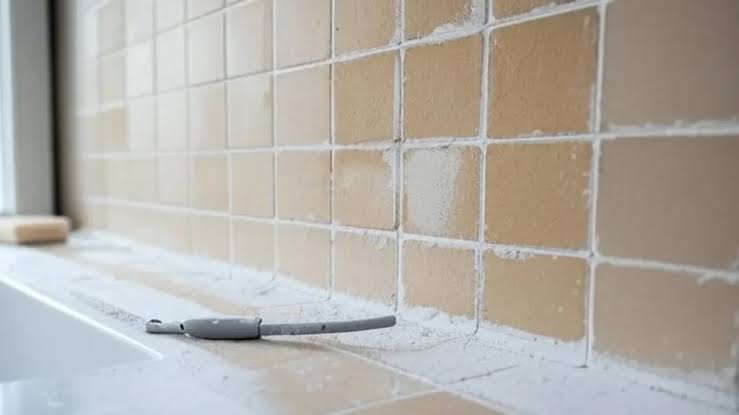
In picking out tiles for a bathroom, many homeowners tend to prioritize the color, size, and design of the tiles while not paying too much attention to the type of grout used. But choosing the right type of grout can seriously influence the way the bathroom looks, works, and keeps its looks over time.
When it comes to comparing epoxy grout and regular grout, the differences lie in the levels of water resistance, staining, maintenance, longevity, and installation. Epoxy is an increasingly popular choice for wet areas such as showers since it ensures a solid, low-porosity joint that does not require much maintenance.
So, is epoxy better for your bathroom? Let’s see what the differences are.
What Is the Difference Between Epoxy and Regular Grout?
Normal or regular grout indicates the particular type of grout which is cement-based. It is inexpensive, commonly used and straightforward to install. However, cement grout has natural porosity which means that it is able to absorb moisture and get stained. Thus, being used in bathrooms, this type of grout necessitates sealing and maintenance to sustain clean appearance of the joints.
Epoxy grout is made using epoxy resin and filler materials. When cured, it provides a solid and very water resistant surface which is resistant to stains and many kinds of cleaning agents. As opposed to cement grout, epoxy does not necessitate sealing once it is installed.
This is true for epoxy bathroom grout in particular since it is capable of responding to wet conditions.
Epoxy Grout vs Regular Grout: Which Performs Better?
The right choice depends on where the grout will be used, your budget and how much maintenance you want to do.
1. Water Resistance
One of the key advantages of epoxy grout is that it doesn’t absorb as much water as traditional cement grout does.
The reason for that is that old-fashioned cement grout is porous and thus can absorb quite a lot of moisture. That means that in case it is improperly sealed, the accumulated moisture can affect its appearance at the end of the day.
The use of epoxy grout in the bathroom means less water-absorbing joints that are more suitable for wet environments. Nevertheless, it’s crucial to understand that epoxy grout is not considered to be an actual waterproofing barrier for tiles.
2. Stains and Mould
Bathroom grout is exposed to soap, shampoo, body oils, cleaning products and constant changes in moisture. Over time, regular grout can become discoloured or difficult to clean.
Because epoxy grout is less porous, it offers better resistance to staining and makes routine cleaning easier. This can be particularly useful in busy family bathrooms where the shower is used every day.
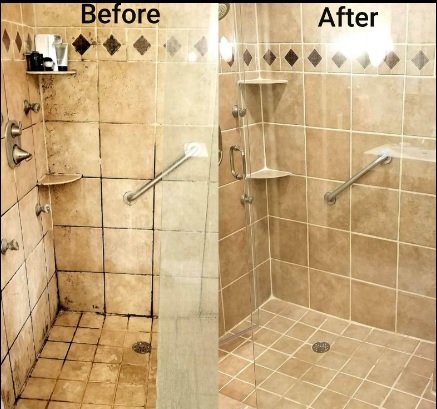
If your existing grout is already dark, cracked or permanently stained, shower grout replacement near you may give the entire bathroom a noticeable refresh.
3. Maintenance
Normal grouting usually necessitates ongoing maintenance. Depending on the kind of cement and manner of application, cement-based grout might require sealing and maintenance every so often in order to safeguard against water and staining.
Epoxy grout features the benefit of requiring vastly reduced maintenance because it doesn’t require the normal sealing procedure following complete curing. Cleaning is required, but the non-porous surface of the epoxy is less susceptible to being dirty in the end.
For homeowners desiring a cleaner-looking shower without constant worry about grout upkeep, epoxy might be the best solution in the long run.
Is Epoxy Grout Worth the Higher Cost?
There is no denying that epoxy grout generally costs more than regular cement grout. Installation can also be more demanding because epoxy has a shorter working time and requires careful application and clean-up.
However, the initial price is only one part of the decision.
If you are renovating a high-use bathroom, ensuite or shower, spending more on a durable grout can make sense when you consider future cleaning, sealing and potential regrouting.
Regular grout can still be a sensible choice for areas with less moisture or where keeping the initial project cost lower is a priority.
When Should You Choose Epoxy Shower Grout in Melbourne?
For homeowners looking for epoxy shower regrouting Melbourne services, epoxy is worth considering when:
- Your shower is used frequently.
- Existing grout is stained or difficult to clean.
- You want better resistance to moisture and bathroom stains.
- You prefer a low-maintenance grout solution.
- You are renovating a premium bathroom or ensuite.
- You want to reduce the need for future sealing.
Professional application is particularly important with epoxy. It is less forgiving than traditional grout, and improper installation or poor clean-up can affect the final appearance.
Can You Replace Regular Grout With Epoxy?
Yes, there are cases in which the old cement grout can be removed and exchanged for epoxy, although it is critical to evaluate the old joints beforehand.
A specialist will know what to look for in order to see if the joints need simply cleaning and are deteriorated or if there are underlying defects that need to be repaired. Broken joints, movement, complicated waterproofing or humidity issues behind the tiles, should not simply be covered with new grout.
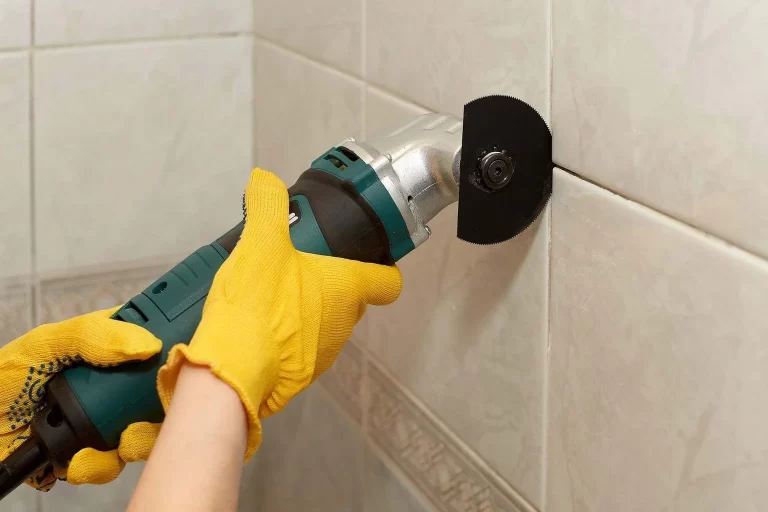
A proper shower grout replacement should take into consideration the proper preparation of the existing joints, removing unsuitable grout, checking the surface area and installing the new grout correctly.
For people who decided to use epoxy grout in Melbourne, professional preparation is no less important than the epoxy itself.
Which Grout Is Better for Your Bathroom?
So, epoxy grout or standard grout – which type comes out on top?
When it comes to showers and other areas that are always wet, epoxy grout tends to be a superior choice because it absorbs less water; it is also resistant to stains, and it does not need to be maintained as often as regular cement grout. This grout is usually the better choice for many other surfaces provided it is installed accurately, sealed when needed, and maintained as required.
If the grout in your shower is cracked, dirty, mouldy, or just old and ineffective, installing new grout will enhance its aesthetics and reduce the amount of work needed to keep your bathroom clean.
Epoxy grout in a bathroom is a great option for a durable finish for any moist area. If you are unsure which option suits your type of tiles, shower circumstances, or existing grout, a consultation will help you get the correct information prior to the work getting started.