How Often Should You Regrout Your Shower? Signs It’s Time for a Replacement
Your shower may still look perfectly usable, but the condition of the grout can tell a different story. Over time, constant exposure to water, moisture, cleaning products and everyday use can cause grout to crack, discolour, crumble or develop mould. Once that happens, your shower is no longer just a cosmetic concern—it may also be at risk of leaks and water damage.
So, how often should you regrout a shower? There is no fixed schedule that applies to every bathroom. The condition of your grout is a much better indicator than simply counting the years. If you are noticing recurring shower grout problems, it may be time to consider professional Epoxy shower regrouting Melbourne homeowners can rely on.
How Often Does a Shower Need Regrouting?
The lifespan of shower grout depends on factors such as the quality of the original installation, how frequently the shower is used, moisture levels and how well the bathroom has been maintained.
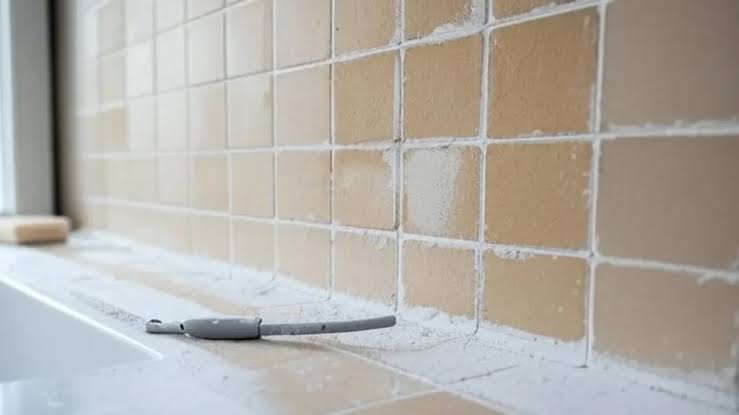
Rather than waiting for grout to completely fail, it is worth checking the shower periodically for early signs of deterioration. Small cracks, darkened areas, crumbling joints or persistent mould can indicate that the grout is no longer providing the protection it should.
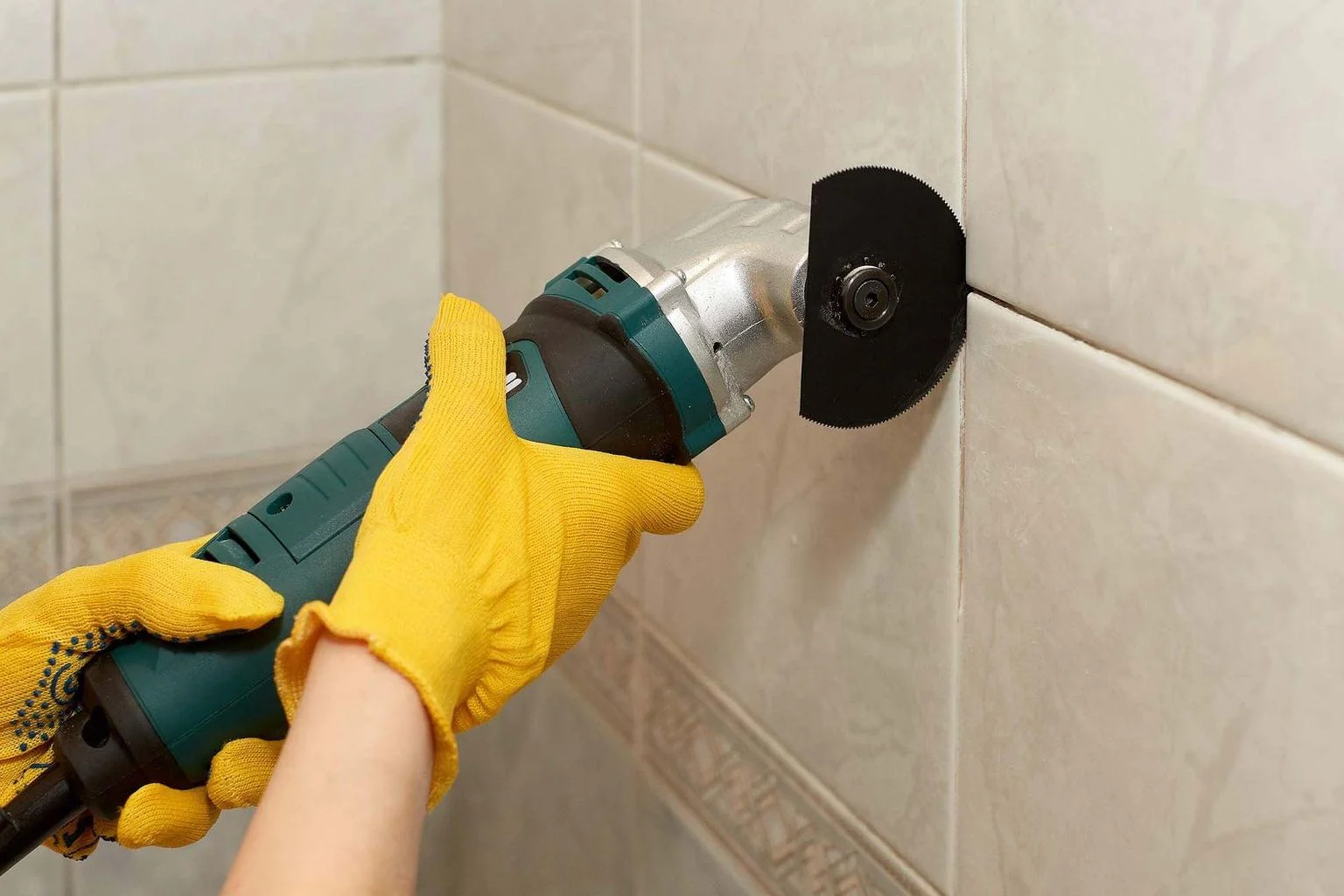
Professional regrouting removes deteriorated grout and replaces it with new grout, helping restore the appearance and functionality of the tiled area. Grout Works specialises in restoring tiled surfaces and notes that many regrouting projects can be completed without removing and reinstalling the existing tiles.
7 Signs Your Shower Needs Regrouting
Knowing what to look for can help you address grout problems before they become a much bigger issue.
1. Cracked or Crumbling Grout
Visible cracks are one of the clearest signs that your grout needs attention. If sections are breaking away or becoming powdery, water can find its way into areas that should remain protected.
A small damaged section might initially seem harmless, but continued water exposure can make the problem worse.
2. Persistent Mould and Blackened Grout
Some bathroom mould can be removed through regular cleaning. However, if dark staining keeps returning or the grout remains discoloured despite cleaning, the underlying grout may have deteriorated.
Grout Works specifically offers shower regrouting designed to provide a waterproof, mould-resistant finish.
3. Water Leaks Around the Shower
A leaking shower should never be ignored. Water escaping through damaged grout or failed seals can potentially contribute to moisture damage beyond the immediate shower area.
If you have noticed water appearing outside the shower after use, it is worth having the area professionally inspected rather than simply applying a temporary patch.
4. Loose or Moving Tiles
Loose tiles can indicate that moisture has affected the area behind or around the tile. While regrouting may be appropriate in some situations, loose tiles should be assessed professionally to determine the underlying cause.
Grout Works offers both shower grout repair and regrouting services as part of its approach to restoring tiled surfaces.
5. Gaps in the Grout
Missing sections of grout leave vulnerable spaces between tiles. These gaps can allow water to penetrate where it should not.
If you can clearly see gaps or areas where grout has disappeared, shower grout replacement may be a better long-term solution than repeatedly filling individual spots.
6. Failed Silicone Around the Shower
Grout is not the only area that can deteriorate. Silicone seals around shower junctions can become mouldy, cracked or separated over time.
Replacing damaged silicone alongside regrouting can help create a cleaner, more watertight finish. Grout Works provides silicone seal replacement specifically to help prevent leaks and mould.
7. Your Shower Simply Looks Tired
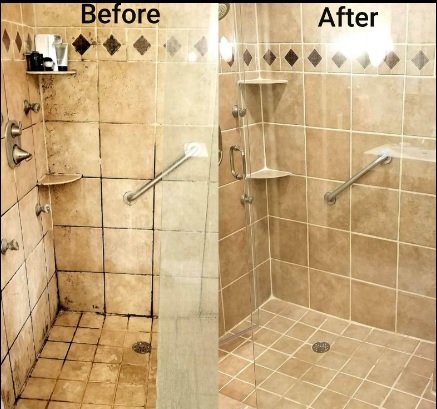
Sometimes the warning sign is simply the overall appearance. Stained, faded, dirty or uneven grout can make an otherwise attractive bathroom look old.
Professional regrouting can refresh the appearance of tiled surfaces without the cost and disruption associated with replacing an entire tiled area.
Shower Grout Repair or Complete Regrouting: Which Do You Need?
The extent of the damage is what dictates what has to be done.
If only a limited part is damaged, a shower grout repair could be an ideal solution. However, if cracks, mold, discoloration or crumble have occurred throughout the shower, just repairing several damaged areas might not be an efficient solution.
A complete shower regrouting procedure involves removing the grout that has been damaged and applying the new one as far as the problematic section is concerned. The procedure results in a uniform finish and a better future protection.
The inspection is, apparently, the best way to find out what option is suitable for the shower in question.
Why Professional Shower Regrouting Is Worth Considering
Grout repairs yourself may seem easy enough, but preparation is key. Damaged grout must be removed correctly, surfaces must be prepared, and the replacement material must be applied properly.
Professional shower regrouting can also help to identify associated problems such as failed silicone, leaks, or areas where moisture may already be affecting the shower.
Grout Works is a Melbourne-based company that specializes in shower and tile regrouting using waterproof materials. The company also has experienced technicians, fully insured service, police-checked staff, competitive prices, and a 10-year warranty.
How Bathroom Regrouting Can Save You From a Bigger Renovation
As the grout starts to break down, most homeowners think they need to remodel the entire shower or bathroom. But this is not the case.
For instance, Melbourne bathroom regrouting services can rejuvenate existing tiled areas without the need to replace the tiles. Grout Works says its restoration method can save money by not having to replace an entire tiled area with much of the work done in a single day.
If the tiles themselves are still in excellent condition, but the grout and seals are starting to fail, then regrouting is worth considering.
Don’t Wait Until a Small Grout Problem Becomes a Leak
You don’t have to wait for the grout to crumble all the way before taking action. Cracks, mold, missing grout, leaks, loose tiles, and bad silicone are all good reasons to organize an inspection.
If your shower displays any of these warning signs, shower regrouting Melbourne homeowners rely on can help restore the look of the bathroom and repair damaged grout before the problem becomes more expensive.
Shower & Tile Regrouting, Grout Repair, Silicone Replacement & Leak Repair in Melbourne Not sure if your shower needs a minor repair or a full regrouting? Schedule a free inspection and have your shower’s condition checked by an experienced professional.